
Back-to-school spending has been steadily increasing since 2019, with families for K-12 students spending 24% more per person than they did seven years ago, and families with collegiate students spending 47% more, according to the National Retail Federation as of 2026.
Back-to-school season doesn’t have to break your budget. Planning even a month or two ahead of time can snag you big savings, and give you a plan to build your fund over time and track your savings along the way.
Key takeaways
- In 2026, K-12 families will spend about $864 per person on average, while collegiate families will spend $1,438 per person.
- Breaking down your budget into categories can help you adjust your expenses and give you a more informed picture of how much your spending will be.
- A sinking fund can help you break down your savings month by month and give you an actionable way to save what you need.
- Reusing supplies, taking advantage of sales and tax-free weekends, and putting a cap on certain expenses can help you manage your budget.
- Tracking your spending and saving, reviewing your expenses, and saving as a family can set you up for success as you keep your budget for the year and plan next year’s.
How much should you budget?
How much you budget for your back-to-school costs will depend on what your child needs and what they already have. On average, K-12 families will spend about $864 per person, while collegiate families will spend $1,438 per person.
Here’s a quick breakdown of both K-12 and collegiate back-to-school spending per category, according to the National Retail Federation’s 2026 back-to-school shopping survey.
K-12 back-to-school-spending for 2026
School supplies | $146 |
Clothing | $250 |
Shoes | $174 |
Electronics | $293 |
Collegiate back-to-school-spending for 2026
Clothing | $182 |
Shoes | $121 |
College-branded gear | $98 |
School supplies | $98 |
Electronics | $342 |
Dorm furnishings | $194 |
Food | $154 |
Personal care | $133 |
Factors to consider when budgeting for back to school
Your own family’s back to school budget will depend on your family’s individual needs. A few factors that can influence how much you’ll need to spend include:
- Number of kids. The more kids you have, the more you’ll have to spend overall.
- Grade level. While lower grade levels may require more art supplies such as crayons and markers, higher grade levels may require lab supplies or additional electronics.
- What you already have. Many supplies can be re-used from year to year.
- What electronics are required. Some schools require you to supply your child’s electronics or pay a fee, while others will loan you one.
- If you’re eligible for aid. Some schools offer aid in the form of waived fees or donated supplies if you meet the income requirements.
How to build your back-to-school budget
Building your back-to-school budget will help you keep your expenses in check and give you a guidepost for your savings. Here’s how to do it.
Determine how much you’re willing to spend
Before you price out your categories, give yourself a hard upper limit for what you can save and spend. This will give you parameters around how much you need to adjust your categories.
2. Evaluate your needs and wants
You (and your family members) will need to triage what you need to buy this year, and your “nice-to-haves.” This can include whether you want things new, branded/licensed, or what level of quality you’re willing to spend on. If your child’s teacher has sent out a supply list, this will give you an idea of where to start.
3. See what you can reuse from last year
Re-using supplies from year-to-year can be a good way to save money, especially if you are able to have siblings pass down supplies to one another. Some reusable school supplies can include:
- Clothing
- Shoes
- Lab kits
- Binders
- Folders
- Textbooks (if the same edition is being used between different years)
- Dorm furnishings
- Backpacks and bags
4. Price out your categories
Once you’ve determined what you need, price out each category and figure out how much your total will be. It can be helpful to create separate price lines for low-end, middle-end and high-end items.
If you have an existing budget, you can integrate your school budget categories into your existing framework.
5. Make cuts as needed
If your total is higher than your limit, make adjustments to your categories and see where you can save. (We’ll cover ways to save more in the next section.)
6. Set a savings goal
Once you have a solid idea of how much you’re going to spend, create a savings goal for yourself so you can save over time. This is where you can set up a sinking fund.
Set up a back-to-school sinking fund
Sinking funds give you a measurable way to save up for a big expense over time. To set up a sinking fund, divide how much you need to save by how many weeks/months you have to save. For example, if you need to save $600 and have from July to September to save, you have three months (or 12 weeks) to save, which comes out to $200 per month (or $50 a week).
In budget terms, you treat your sinking fund as its own category, rolling over your month-to-month savings and paying for your expenses at the end of the saving period.
What are smart ways to save on school expenses?
Keeping your school supply budget affordable doesn’t have to be difficult. Ways to save include:
- Reuse and repair. Every item you can fix or reuse means one less item you have to buy.
- Take advantage of tax-free weekends. Many states will offer weeks with tax-free deals on school supplies for a selected week or weekend. Check with your state’s tax office when your tax-free week is.
- Look out for sales events. Retailers will often run early bird specials in July and August.
- Buy used. Consignment and second-hand stores can offer great deals on clothes, backpacks, furniture, and equipment.
- Price per-use for supplies. If your child is begging for a gym outfit, figure out the cost per use throughout the year (e.g. the price of the outfit divided by 48 gym classes per semester) and use it as a metric for whether it’s worth it.
- Spread out the spending. Instead of spending during the busy season, give yourself more time to save by buying supplies as you need them throughout the year.
- Keep a cap on extracurricular spending. Activities can quickly rack up expenses. You can limit this by either putting a per-week cap on extracurriculars, or by borrowing or renting equipment for the first couple of seasons before committing to buy.
- Take advantage of sales for next year. If you can get a deal on supplies you know you’ll need next year, stock up now so you save on next season's costs.
- Consider using a 529. If you have a 529 or educational savings account, you can use it to pay for certain expenses, such as textbooks.
How should you budget school expenses as a household?
If you’re saving as a household, making sure to stay on the same page about how you’re saving and budgeting is key to success. Here’s how you can break down the responsibilities and keep on track.
Agree on one number
However much you budget for school supplies, make sure you agree on one number and stick to it. This will help you keep your spending in line and keep you on track with your savings throughout the school year.
Split the responsibilities
Many hands make light work — and the same goes for saving. If you’re saving with a partner, you can choose how to split your savings, and integrate it in your respective budgets.
If your child is older, or is college-bound, you may want to include them in the savings process if they are able to contribute some of their allowance or their employment earnings. This can be a helpful way to teach financial responsibility, and allows for kids to take part in saving for something they want.
Check in on your running totals
Regular check-ins will keep you and other household members accountable and help keep your savings on track. If you find yourself behind, you can either make adjustments to your contributions, or make adjustments to your budget.
Track it and review after the season
Keep an eye on your expenses over time, ideally using an automatic tracker with your budgeting platform. As you track your expenses, take note of your category spending and which categories you tend to run over. Once the school season is over, take time to review your budget and use your data to help build your budget for next year.
How Monarch helps with back-to-school budgeting
Making your back-to-school budget part of your overall budget makes September a month to look forward to — instead of a reason to panic over your finances. With tools like Monarch, you can build a back-to-school budget that works for you and your family, and plan and save for the year ahead.
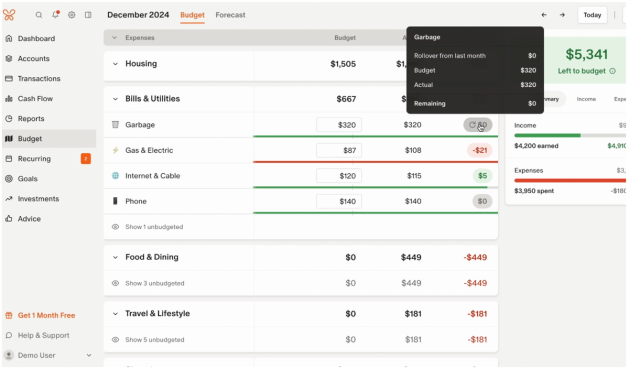
The best way to build a sinking fund is to create a rollover budget category. With the rollover category, you can budget out your savings and have unspent funds “roll over” into the next month, until you have the funds you need at the end of the saving period.

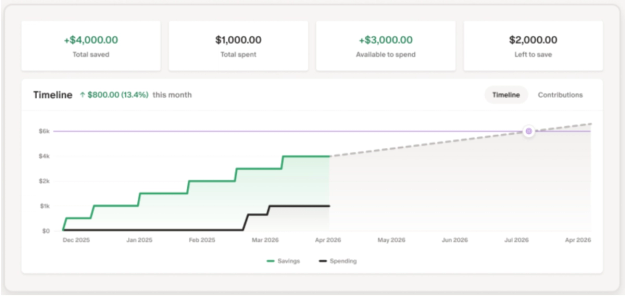
Sometimes you’ll want to save for an overall budget fund, which you’ll want to track your progress on over time. Monarch’s Save Up goals gives you the tools to set a savings goal, build a timeline and monthly contribution schedule, and track your progress as you save.

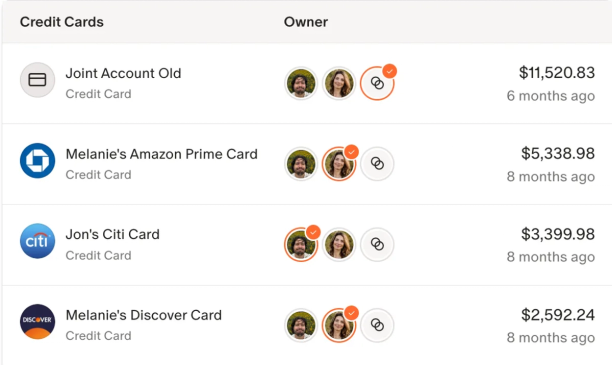
Budgeting as a family requires you to be all on the same page as you track your progress and manage your expenses. Monarch’s household views gives you a way to share a budget on one account, allowing you to budget with multiple people and share savings goals.

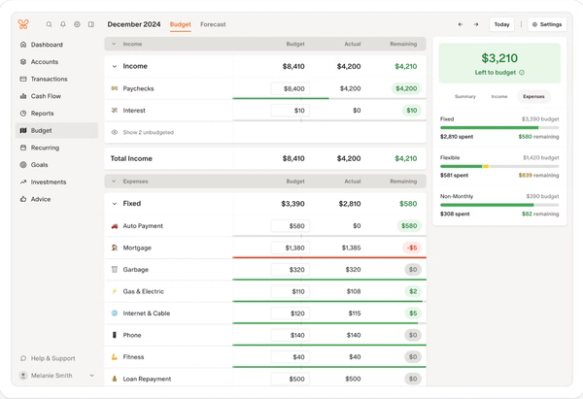
Staying on track with your budget means you need to keep an eye on your spending, which can be cumbersome with manual tracking. Instead, Monarch sends you alerts when you get close to your limits and visual tracking for at-a-glance assessment of where your spending stands.

Your back-to-school budget, one week at a time
Back-to-school spending doesn't spell financial distress for your family. With a plan in hand, you can build a budget that works for you, figure out a saving plan, and map and track out your expenses so you can stay within budget and tackle the new school year with confidence.
FAQs
What is a reasonable budget for back-to-school shopping?
While it will depend on your individual family, on average, K-12 families spend about $864 per person, while collegiate families spend $1,438 per person. The most reasonable budget will ultimately be one that can cover your essentials and cover with your savings or sinking fund, without the need for relying on credit card debt or a loan.
What is the 50/30/20 rule and how does it apply to school spending?
The 50/30/20 rule for school spending is to allocate 50% of your budget to needs, 30% to wants, and 20% to extra savings/contingency funding. For example, if your school budget is $900, then you would allocate $450 to essential items, $270 to wants, and $180 to either future savings or contingency for expenses that run over.
When is the best time to shop for back-to-school?
July, late September, and your state’s tax-free weekend. Retailers will often run back-to-school sales in July for early shoppers, and will put deep discounts on stock in September after the back-to-school season is over. As well, many states offer a tax-free week or weekend for school supplies.
What is a sales tax holiday and which states have one?
Some states will waive taxes on school supplies for certain weeks or weekends, though when it is and what items have taxes waived differs from state to state. States that offer school supply tax holidays for 2026 include: Alabama, Arkansas, Connecticut, Florida, Illinois, Iowa, Maryland, Massachusetts, Mississippi, Missouri, New Mexico, Ohio, Oklahoma, South Carolina, Tennessee, Texas, Virginia and West Virginia
How do I budget for school expenses month to month?
You have a couple of options. You can either try to predict your month-to-month expenses based on your needed supplies and budget that out for the month, or set a general overall budget number that you divide out over the school season (e.g. $1,000 over four months would be $250 a month.) It can be helpful to compare expenses from the previous year to give yourself a guideline.
How much should I budget for a college student vs. a K-12 student?
According to the National Retail Federation, for the 2026 school season, K-12 families spend about $864 per person and collegiate families will spend $1,438 per person. As a rule of thumb, college spending tends to be higher since they need to cover dorm furnishings, as well as more complex school supplies such as textbooks and lab supplies.
How do I avoid overspending during the back-to-school season?
Set your budget early and stick to it. Set up a sinking fund ahead of time so you can save, and figure out your category limits so you can track exactly where you have the potential to go over. Finally, track your expenses closely and make adjustments if you’re at or over the limit.