
The average American household has about $334,000 saved for retirement according to the Federal Reserve Board's Survey of Consumer Finances. Even if you feel like you’re behind, there’s no reason to panic.
While retirement benchmarks can be useful goals, they’re not verdicts on your financial skills or a sign that you’ll never retire. It’s possible to catch up on your retirement accounts without sacrificing your other financial goals, so long as you plan strategically. Here’s what the retirement averages are by age, what you should aim to have, and how you can bridge the gap.
How much do people actually have saved by age?
The numbers don’t lie: Most Americans, when looking at both the mean and the median retirement savings, are behind. Here’s how the numbers line up with the target amounts based on income, so you can see if you’re behind, on track, or ahead of the curve.
Age | Average | Median | Target* |
Less than 35 | $49,130 | $18,880 | $41,330 to $165,320 |
35-44 | $141,520 | $45,000 | $337,440 to $674,880 |
45-54 | $313,220 | $115,000 | $683,360 to $1,195,880 |
55-64 | $537,560 | $185,000 | $1,228,080 to $1,403,520 |
65-74 | $609,230 | $200,000 | $1,133,600 to $1,417,000 |
75 or older | $462,410 | $130,000 | $1,078,200+ |
*Based on average income by age bracket based on the Federal Reserve’s 2022 Survey of Consumer Finances and target savings multipliers from Fidelity as of 2026.
Why are the average and the median retirement savings different?
Average and median represent the “middle” of a number set in different ways. The average, also known as the mean, is the sum of all the numbers in a set, divided by how many numbers are in the set. The median, on the other hand, is the middle number in a set ordered from largest to smallest.
This means the median reflects where most values cluster, while a small number of extreme outliers can pull the average up or down.
For example: you have a set of nine people, with monthly salaries of:
- $500
- $1,000
- $1,200
- $2,500
- $5,500
- $7,000
- $10,000
- $30,000
- $70,000
In this case, the average salary in this group is $14,189, which is skewed by the fact that three individuals have much higher salaries than the rest. The median salary, however, is $5,500, which is more representative of the salaries on the lower end.
As such, retirement averages can be thrown off by individuals with extremely high retirement savings, especially those with high income.
Having a higher income means it’s more likely you’ll have retirement savings at all. According to the Federal Reserve, the average retirement savings amount for those with an income in the top 10% is $1,041,690. Those in the bottom 20% of earners, on the other hand, have only $9,870 saved on average.
How much should you have saved by age?
On a basic level, by the time you’re 30, you should have at least one year’s worth of your yearly salary saved up (or, by some benchmarks, how much you plan on spending per year in retirement). By the time you’re retirement age (usually 65 to 67), you should have 10 times of your income saved.
Here’s a breakdown of your retirement savings benchmarks by age.
Age | Annual income saved up |
30 | 1x |
35 | 2x |
40 | 3x |
45 | 4x |
50 | 5x |
55 | 6x |
60 | 7x |
65 | 8x |
Here’s a breakdown of how much you should have saved based on your income according to Fidelity Investments.
Age | $60,000 | $80,000 | $100,000 | $200,000 |
30 | $60,000 | $80,000 | $100,000 | $200,000 |
35 | $120,000 | $160,000 | $200,000 | $400,000 |
40 | $180,000 | $240,000 | $300,000 | $600,000 |
45 | $240,000 | $320,000 | $400,000 | $800,000 |
50 | $360,000 | $480,000 | $600,000 | $1,200,000 |
55 | $360,000 | $480,000 | $600,000 | $1,200,000 |
60 | $480,000 | $640,000 | $800,000 | $1,600,000 |
65 | $600,000 | $800,000 | $1,000,000 | $2,000,000 |
While these benchmarks will give you a good idea of how much you will need to have saved by the time you decide to quit working, a few other factors will go into determining how much you should have saved besides the basic multipliers.
- Cost of living where you plan to retire. Expensive areas will require you to save more.
- When you plan to retire. If you’re retiring early, you’ll need to save more and follow an alternative plan to the traditional route.
- Your retirement lifestyle. Staying home will require you to save less than planning to travel or take up an expensive hobby.
- Alimony or child support. If you anticipate you will need to continue payments, account for those in your needs.
- Debts. If you’ll need to continue making debt payments into your retirement, account for those in your monthly expenses.
- Your end-of-life care plan. If you anticipate that you will have increased medical expenses, or will need more advanced care (such living in a nursing home or assisted care facility), budget for those expenses.
- Estate planning. If you want to leave money for your inheritors, or want to minimize estate costs and inheritance tax, factor in monthly or yearly payments to your current savings.
- How much your spouse has saved. If your spouse is behind on retirement savings, you’ll need to save more to compensate, especially if they have or had a major gap in employment.
How much should you save each year?
Optimally, you should be contributing 15% of your annual income to your retirement fund, or as much as you need to hit your targets (whichever is less).
Before you run off to your provider to change your contributions, however, there are a few things to get in order before you start maximizing your contributions. Here’s a quick breakdown of your priorities in order of importance. As you start tackling more financial goals, you can increase your contributions to your retirement accounts until you hit the 15% benchmark.
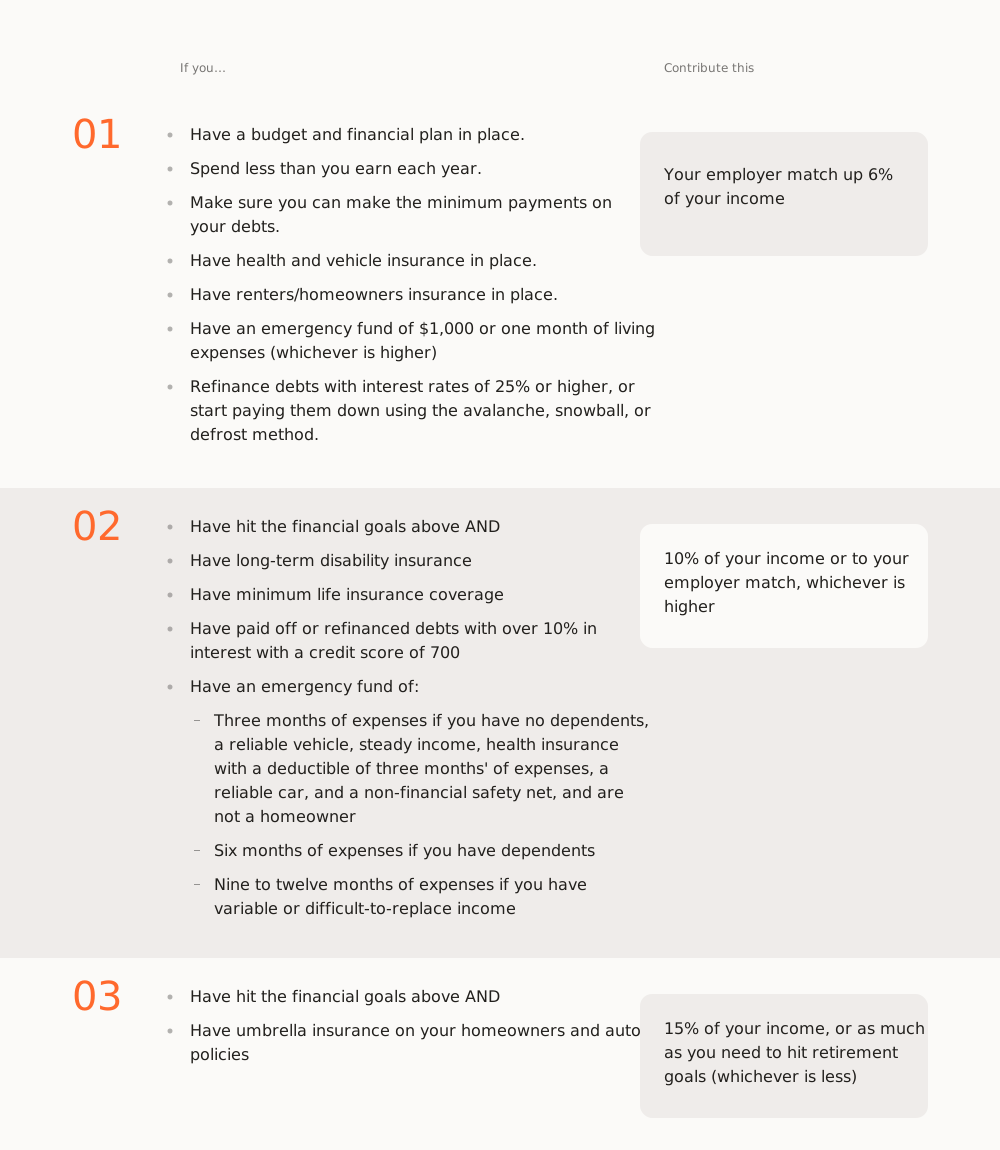
Once you’ve hit your contributions benchmarks, you should prioritize your retirement contributions in the following order:
- Maximize your contributions to your 401(k) to your employer match
- Start contributing to a Roth IRA up to the annual limit or your retirement goal limit
- Max out your catch-up contributions if you’re after the age of 50 and need them to stay on track
After you’ve hit the 15% mark and have more to contribute, consider putting funds into a brokerage account or making other investments.
What if you're behind on retirement savings?
Being behind on retirement savings isn’t an indictment of your financial habits or your ability to save. With nearly half (46%) of Americans having nothing saved at all for retirement, according to the Federal Reserve, and with the average retirement account falling behind the benchmarks for the average American income by age, if you’re short on retirement funds, you’re in good company.
You’re also not out of options. If you’re behind on your retirement savings, you’ll want to start increasing your contributions. Here are the steps you can start taking.
- If you’re under 50: Focus on maximizing your contributions according to the hierarchy outlined in the previous section. Many 401(k) providers will have a catch-up contribution calculator to help guide you on how much you need to contribute to get back on track.
- If you’re between ages 50 and 59, you can make up to $8,000 in catch-up 401(k) contributions, $1,100 in Roth IRA contributions, and $4,000 in SIMPLE IRA contributions for the 2026 tax year, on top of the standard contribution cap.
- If you’re between ages 60 and 63, you can make up to $11,250 in catch-up 401(k) contributions, $1,100 in Roth IRA contributions, and $5,250 in SIMPLE IRA contributions for the 2026 tax year on top of your standard cap.
- If you’re 64 or older, you can make up to $8,000 in catch-up 401(k) contributions, $1,100 in Roth IRA contributions, and $4,000 in SIMPLE IRA contributions for the 2026 tax year, on top of the standard contribution cap.
How much you contribute to your catch up will depend on how much you’ll need and where your finances are. As always, even if you’re behind on contributions, it’s more important that you can pay off high-interest debt and have an emergency fund in place before you start supercharging your contributions.
What is the 1% challenge for retirement savings?
The 1% challenge can make the catch-up game a bit more manageable, especially if you’re not sure where to start or don’t want to shake up your budget too much. The premise is simple: Increase your retirement savings rate by 1% of your income each year until you’re maximizing your contributions or hitting your desired benchmarks.
This method generally works best if you’re earlier in your retirement-savings journey. If you’re closer to retirement, then focus more on maximizing your catch-up contributions so that you have enough saved by the time you reach 65.
Your retirement target isn't the whole picture: social security & spending
Social Security is a key factor to account for when planning for retirement, especially as, depending on your contributions and spending, you can cover up to 40% of your living expenses with Social Security — the rest of which your savings will have to fill.
The average Social Security monthly payment is $2,071, according to the Social Security Administration. Annually, this is about $25,000, which accounts for about 41% of the average yearly spending (~$60,844) for those between 65 and 74, according to the Bureau of Labor Statistics.
As such, Social Security can represent a good supplement — and fallback — to your retirement savings, especially if you find yourself falling behind. As Social Security payments are constant, they can represent a lifeline of income if your retirement savings fall short, or if a drop in your investment portfolio creates a shortfall for a monthly disbursement.
On the other hand, Social Security shouldn’t be your sole or primary source of retirement income if you can help it. Your retirement savings are crucial to fill the other 60%, and offer more flexibility (and inheritability) than your Social Security benefits after you pass.
How to track your progress with Monarch
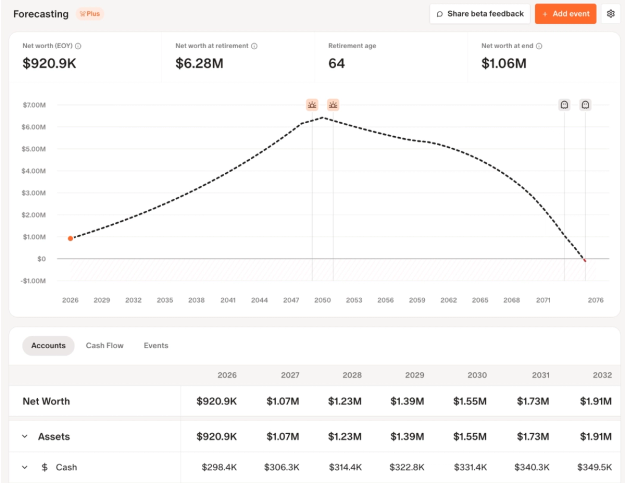
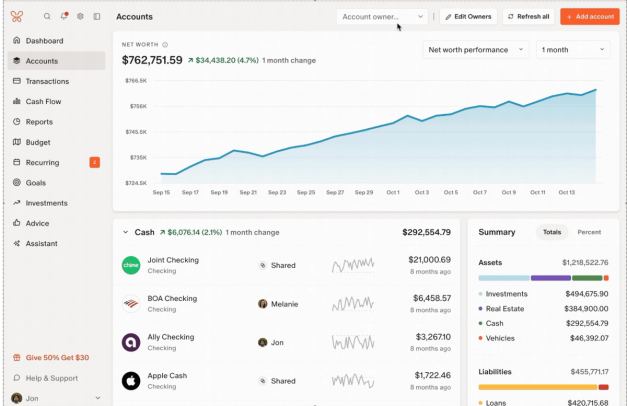
Managing your retirement savings, tracking your progress, and crunching the numbers on your catch-up contributions is easier when you have it all in one place. Monarch helps you connect your retirement accounts, set and track your targets, forecast your retirement date, and follow your progress as a household.
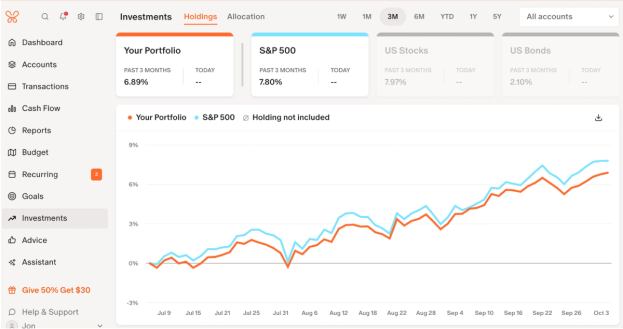
It can be hard to keep track of your savings when they’re scattered across different accounts and providers. Monarch helps you connect your accounts and see your total balance and growth all in one place, so you have a clear picture of where you are with your savings.

If you’re figuring out where you are in your retirement journey, when you can retire, and if you have enough to retire with your current progress, Monarch shows you exactly where you stand, fueled by your own data. Monarch Plus members can forecast their retirement date, add forecasts based on life events such as a loss of income or a new baby, and see how their contributions will stack up over the years.

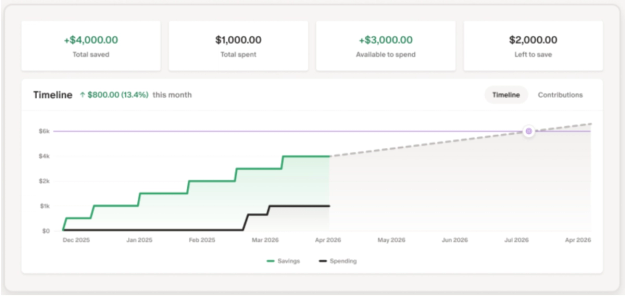
Tracking your savings is crucial to staying motivated and making sure that you’re on track to hit your targets. If you’re catching up on your retirement savings, Monarch can help you track your contributions and give you progress reports of where you are, and when you can expect to hit your savings goals with Save Up goals.

If you’re planning on retiring with a spouse, or if you’re saving for retirement together as a couple, Monarch can help you track your transactions across your household, with options for shared goals so you can watch your progress together.

Consistency beats catching up all at once
The earlier you start saving for retirement, the better. While you might not always be able to save as much as you want to, there is almost always time to catch up and get back on track. While age-based benchmarks can be helpful to track your progress, what’s most important is that you’re saving consistently and that you’re keeping your other financial goals, like having an emergency fund, on your priority list.
FAQs
What is the average retirement savings by age?
By age, the average retirement savings are:
- Less than 35: $49,130
- 35-44: $141,520
- 45-54: $313,220
- 55-64: $537,560
- 65-74: $609,230
- 75 or older: $462,410
What is the median retirement savings (and why is it lower than the average)
By age, the median retirement savings are:
- Less than 35: $18,880
- 35-44: $45,000
- 45-54: $115,000
- 55-64: $185,000
- 65-74: $200,000
- 75 or older: $130,000
Because of the way the median is calculated, median retirement savings are lower than the averages. This is because, when the average is calculated, even a small number of accounts with extremely high savings in them can pull the average number up. The median, however, is calculated using the number of data points, which means that if there are a larger number of accounts with low or no savings in them, the median will be weighted more toward those. Because of this, the median offers a more accurate picture of what the “typical” household has saved.
How much should I save for retirement each month?
While it will depend on what your financial situation is, and if you need to make any catch-up contributions, you should be saving about 15% of your paycheck each month.
How much of my paycheck should go to retirement?
As a rule of thumb, you should be putting 15% of your pre-tax income into a retirement account as long as you have no high-interest debt, have an emergency fund in place, and have life, auto, health, and homeowners/renters insurance in place. You may want to contribute more if you are behind on your savings.
What is the 15% savings rule?
The 15% rule states that you should save 15% of your income for retirement, which will put you on track to have 10 times your salary saved by the time you reach retirement age. After that, you can start looking into putting additional funds into a brokerage account or other investments if you’re consistently hitting your retirement savings benchmarks.
How many times my salary should I have saved by retirement?
By the time you retire, you should have 10 times your yearly salary saved.